 Magnolia, Seattle: Neighborhood Guide Magnolia Seattle news blog: local stories, sports, business, politics, entertainment, and travel.
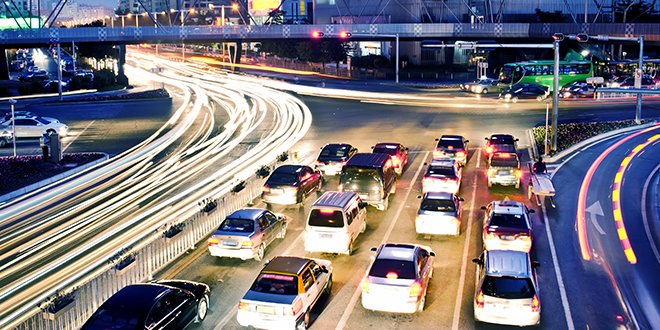
Traffic conditions along 15th Avenue West became an important topic when the Magnolia BAT lanes were discussed by community representatives. Members of the Magnolia Community Club suggested that existing bus and turning lanes should also be opened to carpools and taxis. Their proposal was based on daily traffic experience and concerns about how the road space was being used during busy commuting hours.
Why the Magnolia Community Club Requested Changes
The Magnolia Community Club sent a letter to the city transportation department explaining its position. According to the organization, the BAT lanes were originally introduced to support future RapidRide bus service and improve traffic movement. Since budget limitations created uncertainty about the transit project, community members believed the current lane arrangement no longer achieved its main purpose.
Representatives argued that heavy congestion still appeared during both morning and evening commuting periods. Drivers continued spending long periods waiting in traffic while one traffic lane remained available only for limited use. Because of this situation, the organization suggested converting the BAT lanes into HOV lanes.
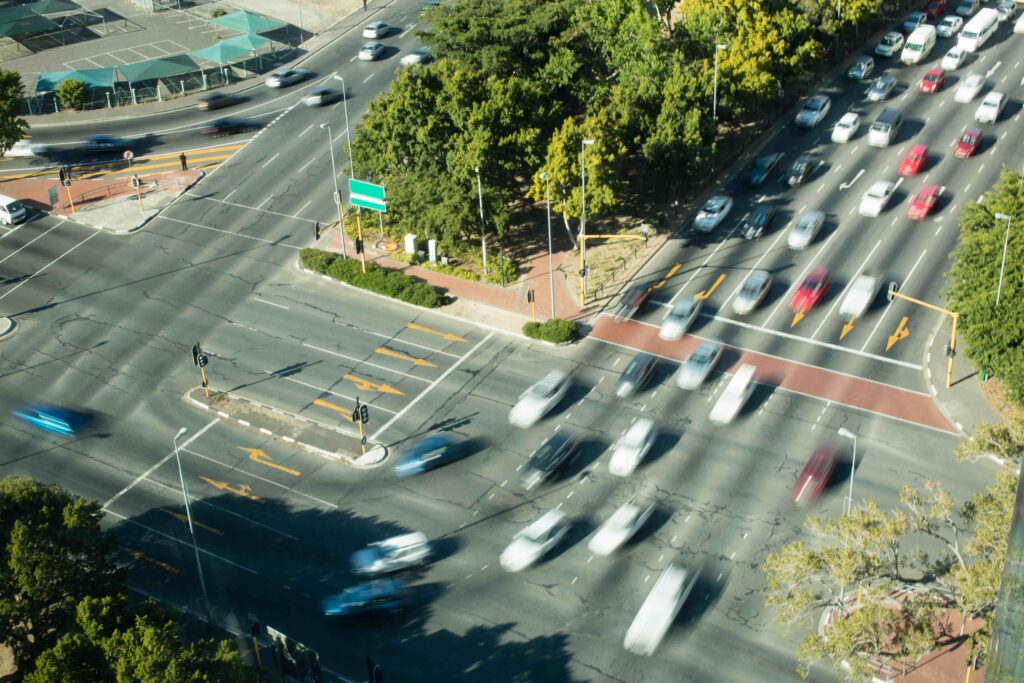
Main Reasons Behind the Proposal
Community members believed that a modified HOV system could improve road efficiency without requiring major construction work. They also said the existing road signs confused many drivers because not everyone clearly understood who could legally use the special lanes.
The proposal included several practical arguments
- Allow carpools and taxis to enter the existing BAT lanes.
- Improve traffic flow during morning and evening commuting periods.
- Update road signs to reduce confusion for drivers.
- Use available road capacity more efficiently.
Traffic Growth and Future Transportation Planning
The Magnolia Community Club also raised the issue of ramping up activity around Pier 91. The operation of cruise ships was bringing more visitors and vehicles into the surrounding road network.
The organization believed that allowing more shared vehicles into the special lanes could help reduce delays without waiting for larger transportation projects. Members also wanted several public organizations to meet and discuss possible improvements before making future decisions.
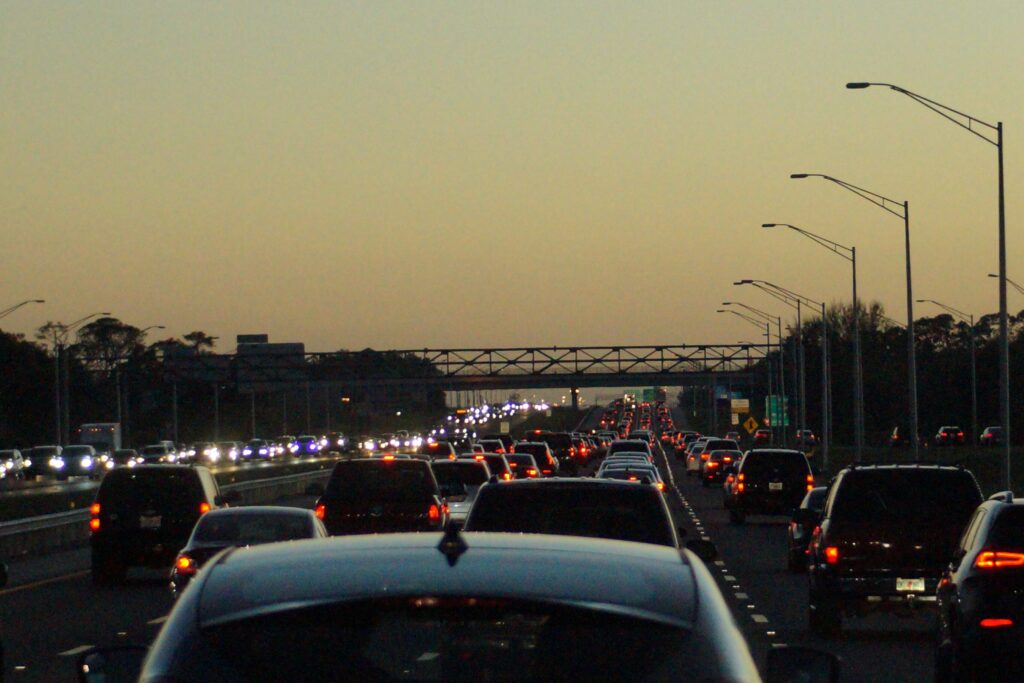
Other Transportation Issues Raised
The community suggested inviting representatives from the Seattle Department of Transportation, the Queen Anne Community Council, the Ballard Community Council, the Port of Seattle, and the Seattle Police Department. A joint discussion could allow different groups to compare traffic data, review local concerns, and identify practical solutions for the corridor.
Earlier conversations had already focused on several transportation challenges connected with Magnolia. Community representatives expressed concern about the traffic merge near the Magnolia Bridge close to the Staples area. They also discussed widening West Mercer Way to provide two eastbound lanes and improving signal timing at important intersections.